Does Castor Oil Grow Eyelashes? A Pharmacist Explains What the Evidence Actually Says
If you search “how to grow eyelashes naturally”, castor oil appears almost everywhere.
TikTok routines, beauty forums and DIY remedies frequently claim that putting castor oil on your eyelashes every night can make them grow longer and thicker.
But there is an important difference between making existing eyelashes look healthier and actually stimulating eyelash growth.
As a pharmacist involved in developing lash cosmetics, this is exactly the type of distinction I believe consumers should understand before choosing what to put around their eyes.
So, does castor oil actually grow eyelashes?
Does castor oil make eyelashes grow?
There is currently no strong clinical evidence demonstrating that castor oil makes human eyelashes grow longer, faster or denser.
That does not mean castor oil does nothing.
Castor oil is rich in fatty acids, particularly ricinoleic acid, and has properties that can help lubricate and condition hair. Research reviewing its use in hair care has found some evidence that castor oil may improve hair lustre, but convincing clinical evidence for hair growth itself remains limited.
This means castor oil may help existing lashes look shinier, smoother, darker, better conditioned and temporarily fuller.
That is not the same as proving that it changes how the eyelash follicle grows.
Why do people think castor oil grows eyelashes?
There are several good reasons why the belief has become so widespread.
Castor oil can make lashes look healthier
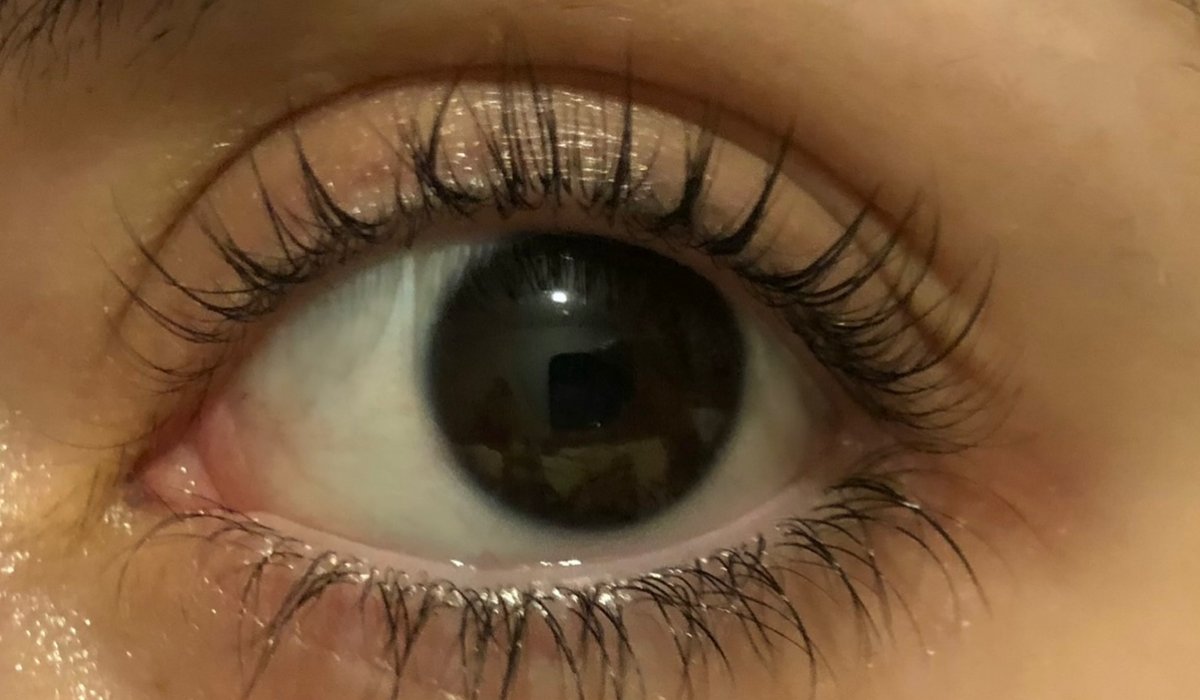
Coating a dry eyelash with oil can immediately make it look smoother, darker and more defined.
That visual difference can easily be interpreted as growth.
Better-conditioned lashes can look fuller
If lashes are dry or brittle, improving their condition can change the appearance of the entire lash line.
Again, healthier-looking lashes are not necessarily newly grown lashes.
Eyelashes naturally change over time
Your eyelashes continuously move through their natural growth, resting and shedding cycle.
If somebody begins using castor oil and photographs their lashes eight weeks later, their eyelashes will naturally have changed during that time.
Without a controlled comparison, it is difficult to know what caused the difference.
This is an important limitation of many before-and-after videos online.
A result can be genuine without proving that the product being used caused it.
What does the scientific evidence on castor oil actually show?
Scientific interest in castor oil is real.
Reviews of the available evidence have discussed its potential dermatological properties and its ability to improve characteristics such as hair lustre.
However, evidence supporting castor oil as a reliable hair-growth treatment remains limited.
A systematic review examining castor oil alongside other commonly used hair oils found insufficient strong evidence that castor oil stimulates hair growth.
Most importantly, research involving scalp hair cannot automatically be converted into claims about eyelashes.
Eyelashes have their own follicles, growth cycle and biological characteristics.
At present, there are no convincing clinical trials demonstrating that applying ordinary castor oil to the lash line reliably makes eyelashes grow longer.
Has castor oil been studied around the eyes?
Yes.
This is also where online discussions can become misleading.
A randomised controlled trial published in The Ocular Surface investigated topical periocular castor oil in people with blepharitis.
The researchers reported improvements in several signs and symptoms associated with blepharitis during the study.
That is legitimate research.
But it was a study investigating blepharitis.
It was not a clinical trial designed to demonstrate eyelash growth.
The distinction matters.
Scientific papers should support the specific claim being made. Finding a study involving castor oil and the eye area does not automatically establish that castor oil grows eyelashes.
Can castor oil make eyelashes look thicker?
It can make them appear thicker.
Oil coats the lash shaft and can make individual hairs look darker, shinier and more substantial. Conditioning dry or brittle lashes may also improve their overall appearance.
But visually thicker lashes after applying an oil are different from increasing the number, diameter or growth of eyelashes produced by the follicle.
Think about applying conditioner to the hair on your head.
Your hair may look smoother, shinier and healthier afterwards. The conditioner has not created additional hair follicles.
Can castor oil make eyelashes longer?
There is currently insufficient clinical evidence to say that it does.
If somebody uses castor oil for several months and their lashes appear longer, several other factors could contribute, including:
-
natural lash cycling
-
gentler mascara removal
-
reduced rubbing or pulling
-
stopping lash extensions or false lashes
-
fewer broken lashes
-
improved conditioning
-
changes to other parts of their beauty routine
This is why controlled research matters.
It helps distinguish an association from an actual effect.
Is castor oil safe to use on eyelashes?
Anything used around the eye should be treated more carefully than a product used on ordinary skin or scalp hair.
Castor oil has been investigated in formulations used around the eyelids, including the blepharitis study mentioned above.
That does not mean ordinary castor oil should be placed directly into the eye.
The American Academy of Ophthalmology has cautioned against putting castor oil directly into the eyes because inappropriate use can cause irritation and potentially affect the cornea.
The eyelid and the surface of the eye are not the same thing.
If you use any cosmetic around your eyelashes:
-
keep your hands and applicators clean
-
avoid getting the product directly into your eyes
-
stop using it if significant irritation develops
-
never share eye-area applicators
-
do not continue using a contaminated product
-
seek professional advice if eye symptoms are persistent or significant
“Natural” does not automatically mean suitable for direct eye exposure.
Can castor oil irritate the eyelids?
Yes.
Although castor oil is tolerated by many people, irritation and contact dermatitis can occur.
The skin surrounding the eyes is particularly delicate.
Someone who tolerates an ingredient on their scalp or eyebrows may still react when applying it around their eyelids.
If you develop persistent redness, itching, swelling or irritation, stop using the product.
Castor oil vs lash serum
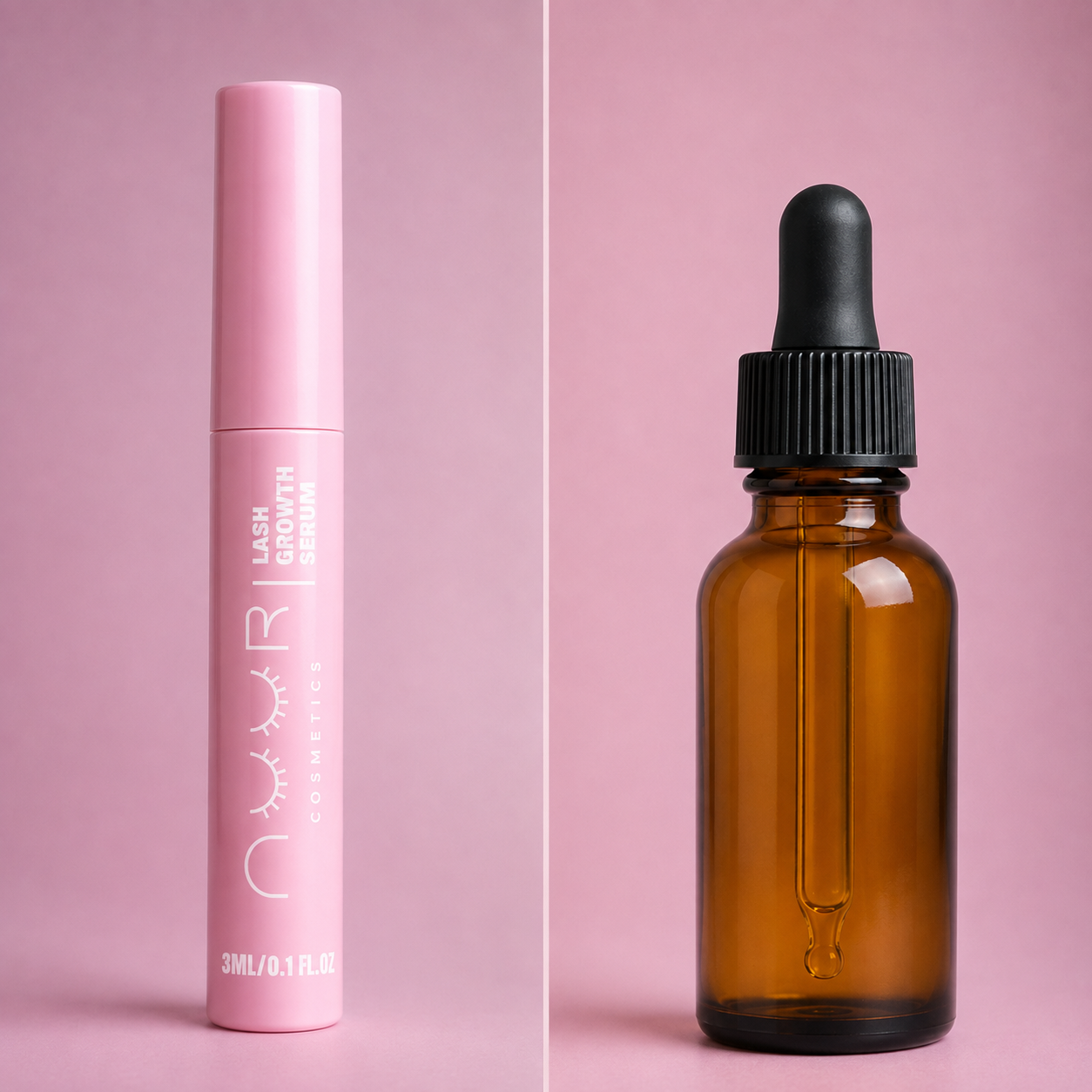
Castor oil and lash serum are often discussed as though they are interchangeable.
They are not.
| Castor oil | Purpose-built lash serum |
|---|---|
| Primarily an oil and conditioning ingredient | Finished cosmetic formulation designed specifically for lashes |
| Can coat and condition existing lashes | Can combine multiple targeted cosmetic ingredients |
| Strong evidence for eyelash growth is lacking | Performance depends on the specific formulation and ingredients |
| Often used as a DIY beauty remedy | Developed with defined directions and intended use |
| May improve shine and appearance | Can be formulated to support fuller, longer and healthier-looking lashes |
| Standard oils are not necessarily designed specifically for lash-line application | A properly developed serum should be safety assessed for its intended cosmetic use |
The important distinction is not “natural versus synthetic”.
It is whether a product is actually formulated and assessed for what you want it to do.
If castor oil conditions lashes, why use a lash serum?
This is where the difference becomes practical.
If your goal is simply to make your current eyelashes feel conditioned or appear shinier, castor oil may be sufficient for some people when used appropriately.
But if your goal is visibly longer, fuller and healthier-looking lashes, it makes sense to choose a product formulated specifically for that purpose rather than relying on an oil whose reputation for eyelash growth remains largely anecdotal.
If you are going to spend weeks consistently applying something along your lash line, the formulation matters.
A dedicated lash serum can combine several ingredients chosen to complement each other rather than relying on one oil to do everything.
That was the approach we took when developing Nuur Lash.
Why Nuur does not rely on castor oil
Nuur Lash was created as a dedicated lash serum rather than a single-ingredient home remedy.
The formula combines a proprietary multi-peptide complex concentrate with ingredients including Biotinoyl Tripeptide-1, Myristoyl Pentapeptide-17, biotin, panthenol, sodium hyaluronate, Panax ginseng, Swertia japonica and additional botanical and conditioning ingredients.
The formula is prostaglandin-free and designed for once-daily use along the upper lash line.
Our objective was not to find one fashionable ingredient and build a product around it.
It was to formulate a complete cosmetic system designed specifically to support longer-looking, fuller-looking, stronger and healthier-looking natural lashes with consistent use.
Does a lash serum guarantee results?
No responsible cosmetic brand should promise identical results for everyone.
Your natural lashes are influenced by numerous factors, including genetics, lash growth cycles, age, beauty habits and the condition of the existing lashes.
Consistency also matters.
With Nuur Lash, some users may begin noticing visible changes from approximately four to six weeks, while fuller results can take approximately six to twelve weeks.
We recommend assessing results after around 12 weeks of consistent use.
Individual results vary.
Taking a photograph before starting can make gradual changes much easier to recognise.
What should you look for instead of viral ingredients?
Rather than asking whether a product contains the ingredient currently trending online, ask better questions.
Is the complete ingredient list available?
What is the finished product designed to do?
Is the company clear about the limitations of its claims?
Has the finished cosmetic undergone an appropriate safety assessment?
Are the directions for use clear?
Does the company explain its formulation rather than relying on one headline ingredient?
Can you identify who is responsible for the information being published?
Those questions tell you much more about a beauty product than whether one ingredient happens to be popular on social media.
What actually helps your natural lashes look their best?
There is rarely one miracle ingredient.
A sensible lash routine also protects the eyelashes you already have.
That includes:
-
removing mascara gently
-
avoiding unnecessary rubbing or pulling
-
being careful with lash curlers
-
avoiding repeatedly stressing already damaged lashes
-
keeping eye-area applicators clean
-
following product directions
-
maintaining consistency rather than constantly switching products
If you develop sudden, unexplained or patchy eyelash loss, another cosmetic product is not automatically the answer.
Persistent or unusual lash loss can sometimes be associated with eyelid conditions or wider health factors and deserves appropriate assessment.
We cover those subjects separately in our guides to blepharitis, lash health, iron deficiency, thyroid function and stress.
The pharmacist's verdict
Does castor oil grow eyelashes?
Based on the evidence currently available, we cannot confidently say that it does.
Castor oil may condition the eyelashes and make them appear shinier, smoother or fuller. There is also legitimate scientific interest in some of its dermatological and periocular properties.
But conditioning a lash and stimulating eyelash growth are different claims.
That distinction matters.
Beauty ingredients do not need to be labelled either a miracle or completely useless.
Castor oil is neither.
It is a useful conditioning oil with some interesting properties, but the widespread claim that ordinary castor oil is a proven eyelash-growth treatment currently goes beyond the available clinical evidence.
At Nuur, we believe consumers should be able to understand that difference before deciding what deserves a place in their routine.
If your goal is to support visibly longer, fuller and healthier-looking natural lashes, you can explore Nuur Lash and its complete ingredient list here.
Frequently asked questions
Does castor oil actually grow eyelashes?
There is currently no strong clinical evidence demonstrating that castor oil makes human eyelashes grow longer or faster. It may condition existing lashes and improve their appearance.
Does castor oil thicken eyelashes?
Castor oil can coat the lash shaft, which may make individual lashes look shinier, darker and more substantial. This is different from proving increased eyelash growth.
How long does castor oil take to grow eyelashes?
There is no scientifically established timeframe because castor oil has not been convincingly demonstrated to stimulate eyelash growth.
Can I use castor oil on my eyelashes every night?
Castor oil should not be placed directly into the eyes. If using any product around the lash line, use it carefully and stop if irritation develops.
Is castor oil better than lash serum?
They serve different purposes. Castor oil primarily acts as an oil and conditioning ingredient. A dedicated lash serum can combine multiple ingredients within a finished formulation designed specifically for regular lash-line use.
What is better for eyelash growth, castor oil or lash serum?
If your aim is simply conditioning, castor oil may improve the appearance of existing lashes. If your goal is visibly longer, fuller and healthier-looking lashes, a purpose-built lash serum provides a more targeted formulation.
Does Nuur Lash contain castor oil?
No. Nuur Lash does not rely on castor oil as its lash-support strategy. Its formulation instead combines peptides, biotin, panthenol, sodium hyaluronate and selected botanical ingredients.
How long does Nuur Lash take to work?
Some users may notice visible changes from approximately four to six weeks, with fuller results often developing over approximately six to twelve weeks of consistent use. Individual results vary.
Sources
Phong C, et al. Coconut, Castor, and Argan Oil for Hair in Skin of Color Patients: A Systematic Review. Journal of Drugs in Dermatology. 2022.
Muntz A, et al. Randomized Trial of Topical Periocular Castor Oil Treatment for Blepharitis. The Ocular Surface. 2021.
American Academy of Ophthalmology. Consumer guidance regarding viral eye remedies and direct ocular use of castor oil.
About the reviewer
Esa Badr is a UK Clinical Pharmacist, Independent Prescriber and Clinical Director of Nuur Cosmetics. He co-developed Nuur Lash and oversees the clinical and scientific approach behind Nuur’s educational content and cosmetic formulation strategy.
Nuur Cosmetics is a UK clinician-led cosmetics brand focused on transparent formulation, responsible cosmetic claims and evidence-informed lash care.
This article provides general cosmetic education and does not diagnose or treat eyelash loss, eye disease or another medical condition. Persistent, sudden or unexplained eyelash loss, eye pain, swelling, visual disturbance or significant irritation should be assessed by an appropriate healthcare professional.

Written by Nuur Cosmetics