Why Are My Eyelashes Falling Out? Causes of Lash Shedding and Breakage
If you have started noticing more eyelashes on your cleansing pad, gaps along your lash line or lashes that seem shorter than usual, it is natural to wonder what is happening.
Eyelashes can fall out as part of their normal growth cycle. However, persistent thinning can also be linked to breakage, eyelid inflammation, repeated pulling from extensions, certain health conditions, illness, stress or medication.
The important question is not simply, “How do I make my lashes grow faster?”
It is: “Why are my eyelashes falling out in the first place?”
Understanding the likely cause can help you choose the right next step and avoid spending months trying to solve a medical, inflammatory or mechanical problem with cosmetic products alone.
The quick answer: why are my eyelashes falling out?
Common reasons for eyelash shedding or thinning include:
-
The normal eyelash growth cycle
-
Rubbing or aggressive makeup removal
-
Waterproof mascara that requires repeated friction to remove
-
Lash extensions, adhesives or repeated lash treatments
-
Blepharitis and inflammation around the eyelid
-
Alopecia areata and other hair-loss conditions
-
Thyroid disorders or iron deficiency
-
Illness, significant stress, weight loss or certain medicines
A review of eyebrow and eyelash hair loss found that potential causes can be autoimmune, hormonal, inflammatory, infectious, nutritional, traumatic or medication-related. Correctly identifying the cause is therefore the first step, particularly when lash loss is sudden, patchy or accompanied by other symptoms.¹
First, is it shedding or breakage?
Eyelash shedding and eyelash breakage can look similar, but they are not necessarily the same problem.
Signs that may suggest shedding
-
A complete lash comes away from the lash line
-
You notice increasing gaps or reduced density
-
Lash loss appears alongside eyebrow or scalp-hair changes
-
The thinning continues despite changing your makeup routine
Signs that may suggest breakage
-
Some lashes look much shorter than the surrounding lashes
-
Lashes appear uneven, dry or brittle
-
The problem became noticeable after extensions, a lash lift or repeated use of curlers
-
Lashes frequently snap during makeup removal
This distinction is not a diagnosis. It is simply a useful starting point. If you are unsure, a GP, pharmacist, optometrist, dermatologist or ophthalmologist can help determine whether the problem is primarily cosmetic, inflammatory or medical.
How the natural eyelash growth cycle works
Your eyelashes are not all growing at the same time.
Each follicle moves independently through three main stages:
-
Anagen: the active growth stage
-
Catagen: a short transition stage
-
Telogen: the resting stage before the lash is eventually shed
Research reviews estimate that the complete eyelash cycle can take approximately four to eleven months. The active growth stage is much shorter, lasting roughly four to ten weeks.²
This short growth phase is one reason eyelashes do not grow as long as scalp hair.
It also explains why consistent lash care matters. When you begin a new routine, different lashes will be at different stages of their cycle. Judging progress after only a few days or weeks does not give the complete picture.
Occasional shedding is expected. What deserves closer attention is a sudden change, obvious gaps, continuing thinning or lash loss accompanied by irritation, fatigue, weight changes or hair loss elsewhere.
Seven common causes of eyelash shedding and breakage
1. Normal lash-cycle shedding
A lash eventually reaches the end of its resting stage and falls out, allowing a new cycle to begin.
Because follicles cycle independently, normal shedding should not usually leave the entire lash line looking suddenly sparse. If you are seeing defined bald areas or a significant change in density, it is worth considering other causes.
2. Rubbing and aggressive makeup removal
The skin around the eyes is delicate, and lashes can be pulled or broken through repeated friction.
Common sources of avoidable mechanical stress include:
-
Scrubbing at waterproof mascara
-
Pulling at mascara instead of allowing it to dissolve or slide away
-
Sleeping in eye makeup
-
Repeatedly clamping a lash curler over the same area
-
Picking at dried mascara
-
Rubbing itchy or irritated eyelids
A gentler removal routine can reduce unnecessary pulling. A tubing mascara may also be useful for customers who want defined lashes without relying on heavy rubbing at the end of the day.
Nuur Growth Boosting Mascara uses tubing technology to wrap and define each lash. The formula removes with warm water, helping reduce the need for harsh removal.
3. Lash extensions and repeated traction
Lash extensions do not automatically damage everyone’s natural lashes. However, problems can occur when extensions are too heavy, applied incorrectly, repeatedly pulled or removed without appropriate care.
The American Academy of Ophthalmology’s EyeWiki notes that eyelash extensions have been associated with allergic blepharitis, irritation and traction alopecia. Traction alopecia describes hair loss caused by repeated pulling on the natural hair.³
A 2026 cross-sectional study also found that eyelash-extension wearers reported more natural lash loss and showed more eyelash and ocular-surface abnormalities than non-wearers. The study demonstrates an association rather than proving that extensions will cause these effects in every user.⁴
If lashes appear thinner after extensions:
-
Avoid pulling or picking at the remaining adhesive
-
Consider taking a break from extensions
-
Use a qualified professional for removal
-
Seek professional advice if the eyelid is painful, red, swollen or persistently irritated
4. Blepharitis and eyelid inflammation
Blepharitis is inflammation affecting the edges of the eyelids.
The NHS lists symptoms including itchy or sore eyelids, a gritty feeling, flakes or crusts around the roots of the eyelashes and eyelids sticking together in the morning.⁵
Blepharitis can affect the environment around the lash follicle and may sometimes contribute to eyelash loss. It cannot be diagnosed from lash thinning alone.
If you have active eyelid irritation, prioritise the eye problem before adding new cosmetics to the area. The NHS advises avoiding contact lenses and eye makeup while symptoms are present.
Read our detailed guide to lash recovery after blepharitis.
Seek urgent medical advice if you experience eye pain, very red eyes or changes to your vision.
5. Alopecia and other hair-loss conditions
Alopecia areata is an autoimmune condition that can affect the scalp, eyebrows, eyelashes and other areas of hair growth.
Patchy lash loss, particularly when it appears alongside changes to the eyebrows or scalp, deserves medical assessment. Eyelash loss can also occur with other inflammatory or dermatological conditions.
A lash serum is not a treatment for alopecia areata. If an underlying condition is present, treatment should focus on that condition under the guidance of an appropriate healthcare professional.
6. Iron deficiency, thyroid conditions and nutrition
Iron deficiency and thyroid disorders are recognised causes of general hair loss.
The NHS lists hair loss as a possible symptom of iron-deficiency anaemia and an underactive thyroid.
This does not mean that every person with sparse eyelashes has an iron or thyroid problem. Lash thinning by itself is not enough to make either diagnosis.
Speak to your GP if lash loss occurs alongside symptoms such as:
-
Persistent fatigue
-
Shortness of breath
-
Feeling unusually cold
-
Unexplained weight changes
-
Heavy or irregular periods
-
Dry skin or wider hair loss
-
Changes to the eyebrows
Do not begin high-dose iron or other supplements based solely on eyelash shedding. Your GP can decide whether examination or blood tests are appropriate.
For a deeper explanation, read how lash health connects to iron deficiency, thyroid imbalance and stress.
7. Illness, stress, weight loss and medicines
The NHS recognises illness, stress, weight loss, iron deficiency and cancer treatment as potential causes of temporary hair loss.⁶
The evidence is much stronger for scalp-hair shedding than for isolated eyelash loss. However, a significant physical or emotional stressor may form part of the clinical picture, especially when hair changes affect several areas.
Do not stop a prescribed medicine because you suspect it is affecting your lashes. Speak to the prescriber or a pharmacist first.
Do eyelashes grow back?
Eyelashes can often regrow when the follicle remains intact and the underlying cause has been removed or treated.
The timeframe varies because a replacement lash must move through its own growth cycle. Visible recovery is therefore usually measured in months rather than days.
Regrowth may be less predictable when there has been:
-
Repeated or prolonged traction
-
Scarring around the follicle
-
An active inflammatory condition
-
Untreated systemic disease
-
Continuing pulling, rubbing or irritation
If you see no improvement, or the thinning continues, seek professional assessment rather than repeatedly changing cosmetic products.
Can a lash serum help with eyelash shedding?
It depends on why the shedding is happening.
A cosmetic lash serum cannot diagnose or treat iron deficiency, thyroid disease, alopecia, blepharitis or another medical cause of lash loss.
However, when the lash line is healthy and the issue is cosmetic, a consistent lash routine can help support the conditions needed for stronger, longer and fuller-looking lashes.
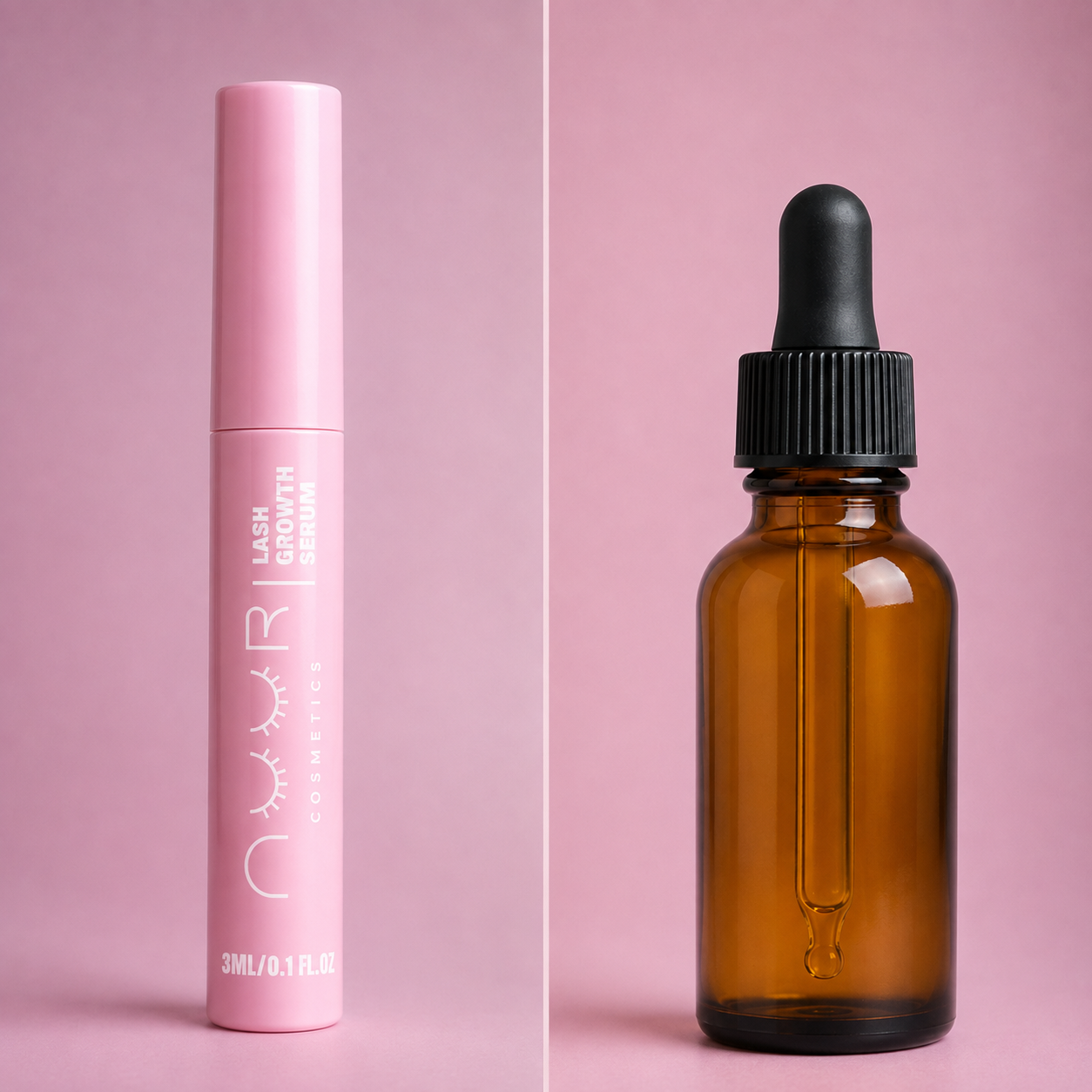
Nuur Lash is a pharmacist-formulated, prostaglandin-free peptide lash serum developed in the UK by clinicians.
Powered by a proprietary multipeptide complex concentrate with biotin, Nuur Lash helps promote natural lash growth for longer, thicker and fuller-looking lashes with consistent once-daily use.
One 3 ml bottle is designed to last approximately three months. We recommend assessing results after around 12 weeks of consistent use. Individual results vary.
A simple lash-recovery routine
Step 1: Deal with active symptoms first
If your eyelids are sore, crusted, swollen or very itchy, stop adding unnecessary products and seek advice from a pharmacist, GP or eye-care professional.
Do not apply lash serum to inflamed or broken skin.
Step 2: Reduce avoidable pulling
Pause extensions if they appear to be contributing to the problem. Avoid picking, rubbing and aggressive mascara removal.
Step 3: Keep makeup removal gentle
Use warm water and light pressure. Give makeup time to loosen before wiping.
Nuur Growth Boosting Mascara provides instant length, lift and definition while removing with warm water.
Step 4: Apply lash serum consistently
Apply one thin stroke of Nuur Lash to the clean, dry upper lash line once daily. More product does not necessarily mean better results.
Step 5: Take a clear starting photograph
Use the same lighting, angle and distance for progress photographs. Daily mirror checking makes gradual changes difficult to recognise.
Step 6: Assess the full routine after around 12 weeks
The eyelash cycle takes time. Consistency is more useful than applying excessive amounts or changing products every few weeks.
Choose the Nuur routine that fits you
For long-term lash growth:
Explore Nuur Lash Prostaglandin-Free Peptide Lash Serum.
For instant length, lift and definition:
Explore Nuur Growth Boosting Mascara.
For serum at night and mascara during the day:
Explore the Nuur Lash Transformation Duo.
The best routine is the one you can follow consistently without unnecessary complexity.
Frequently asked questions
Is it normal for eyelashes to fall out?
Yes. Individual lashes naturally fall out at the end of their growth cycle. Sudden gaps, continuing thinning or shedding accompanied by other symptoms should be assessed.
Will eyelashes grow back after extensions?
They often can if the follicle remains healthy and repeated traction has stopped. Regrowth can take several months. Persistent gaps or eyelid symptoms should be professionally assessed.
Can stress cause eyelashes to fall out?
Stress is a recognised trigger for temporary general hair loss. Evidence for isolated stress-related eyelash loss is more limited, so other causes should also be considered.
Can iron deficiency cause eyelash loss?
Iron deficiency is associated with general hair loss, but sparse lashes alone cannot diagnose it. Speak to your GP if you also have fatigue, breathlessness, heavy periods or wider hair thinning.
Should I use lash serum if my eyelids are irritated?
No. Do not apply cosmetic lash serum to inflamed or broken skin. Address the irritation first and seek professional advice when necessary.
How long should I use Nuur Lash before assessing the result?
We recommend consistent once-daily use and assessing your progress after around 12 weeks. Individual results vary.
When to seek medical advice
Arrange professional assessment if:
-
Lash loss is sudden or patchy
-
You have obvious gaps along the lash line
-
Your eyebrows or scalp hair are also thinning
-
Your eyelids are repeatedly swollen, itchy or crusted
-
You have fatigue, weight changes or other general symptoms
-
The problem continues after removing likely cosmetic triggers
Seek urgent help through NHS 111 or an urgent GP appointment for eye pain, very red eyes or changes to your vision.
The bottom line
Eyelash shedding is not always a product problem.
Sometimes it is part of the normal lash cycle. Sometimes it is breakage caused by extensions, rubbing or difficult makeup removal. In other cases, inflammation or a wider health condition may need attention.
Start by understanding the likely cause. Address active symptoms. Remove avoidable sources of damage. Then give a simple, consistent lash routine enough time to work.
That approach is better for your lashes and more useful than chasing a new overnight solution every few weeks.
About the author
Esa Badr, Clinical Director and Co-Founder of Nuur Cosmetics
Esa Badr is a clinical pharmacist, Clinical Director and Co-Founder of Nuur Cosmetics. His work at Nuur focuses on ingredient literacy, cosmetic safety, product development and clear, evidence-led education for customers using products around the delicate eye area.
Nuur Cosmetics is a UK clinician-led lash-care brand. Its products are developed in the UK by clinicians and safety assessed in accordance with UK cosmetic requirements.
Medical disclaimer
This article is provided for general education and is not a diagnosis or substitute for medical advice. A cosmetic product cannot treat an underlying medical condition. Speak to a GP, pharmacist, optometrist, dermatologist or ophthalmologist if you are concerned about eyelash loss or eye symptoms.

Written by Nuur Cosmetics